Curating photographs in the "performative" era
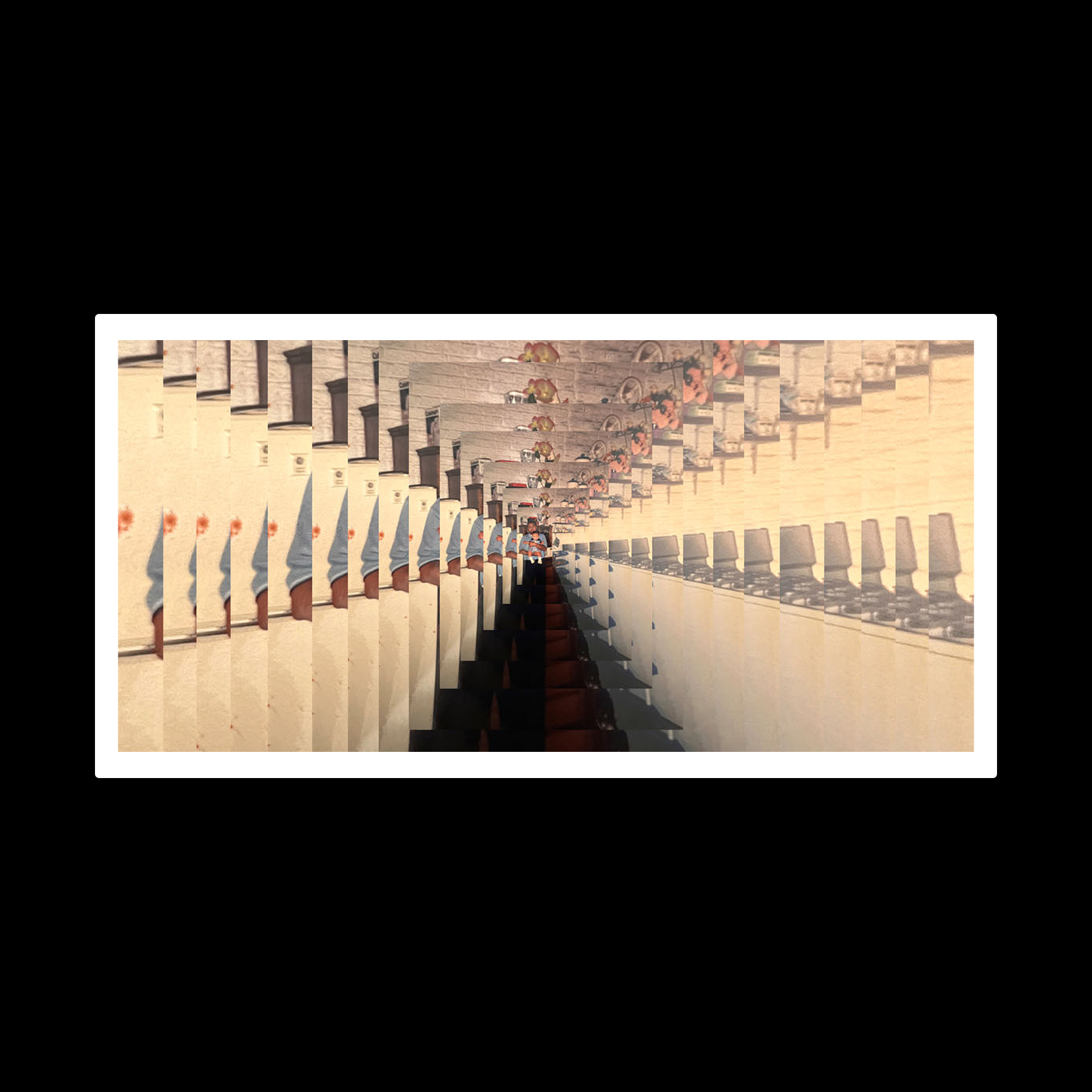
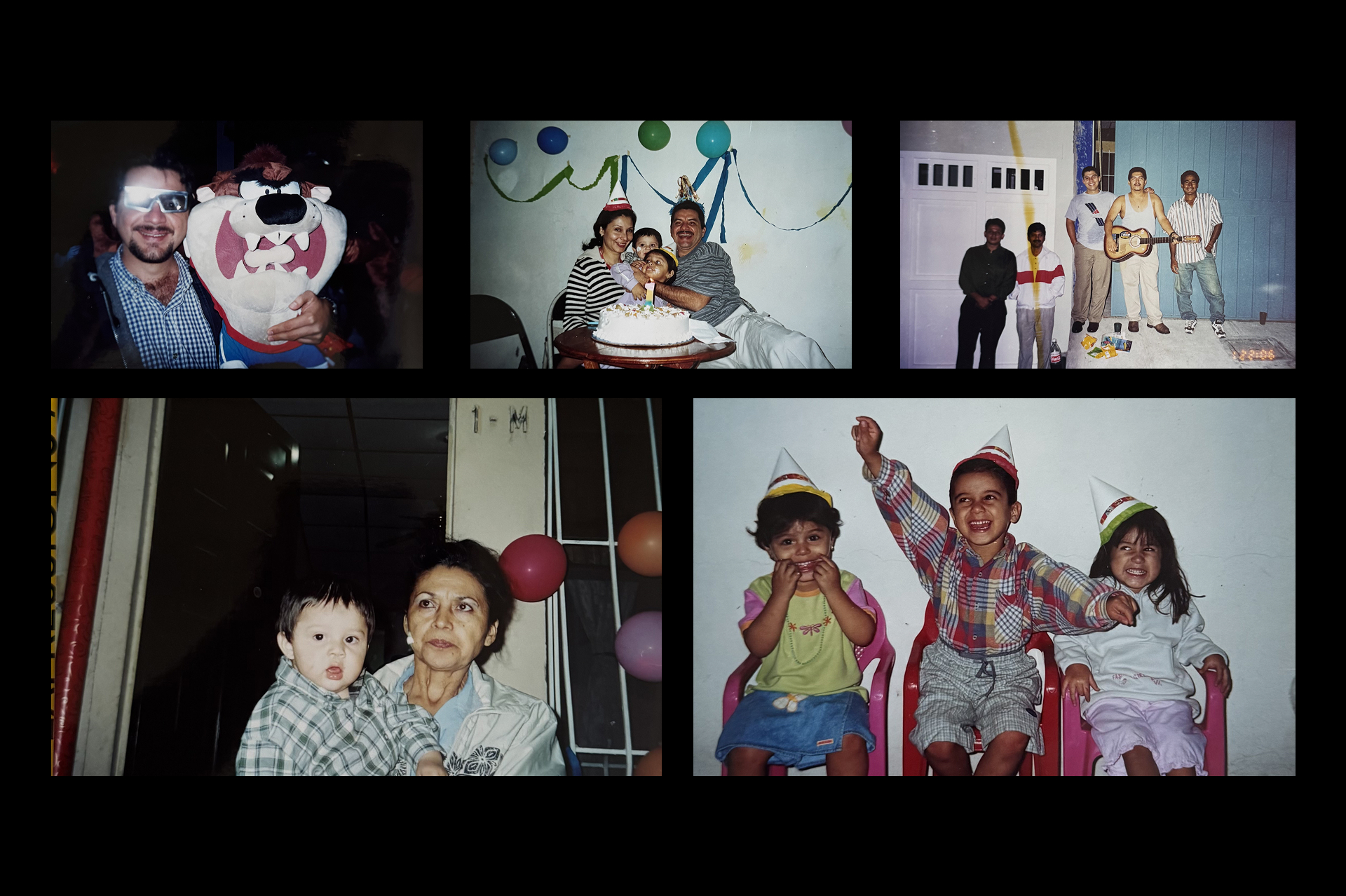
My connection to photography came first through my dad. He had a small film camera when I was about five years old. Like a lot of families in the late '90s and early 2000s, we had albums full of memories: birthday piñatas, school trips, and photos of my parents' lives before my sister and I were even born. Two funny things came out of that camera. First, our dog eventually ate it. Second, looking back, it's crazy to realize those photos were never meant for anyone else but to fill our albums and make scrapbooks of our memories.
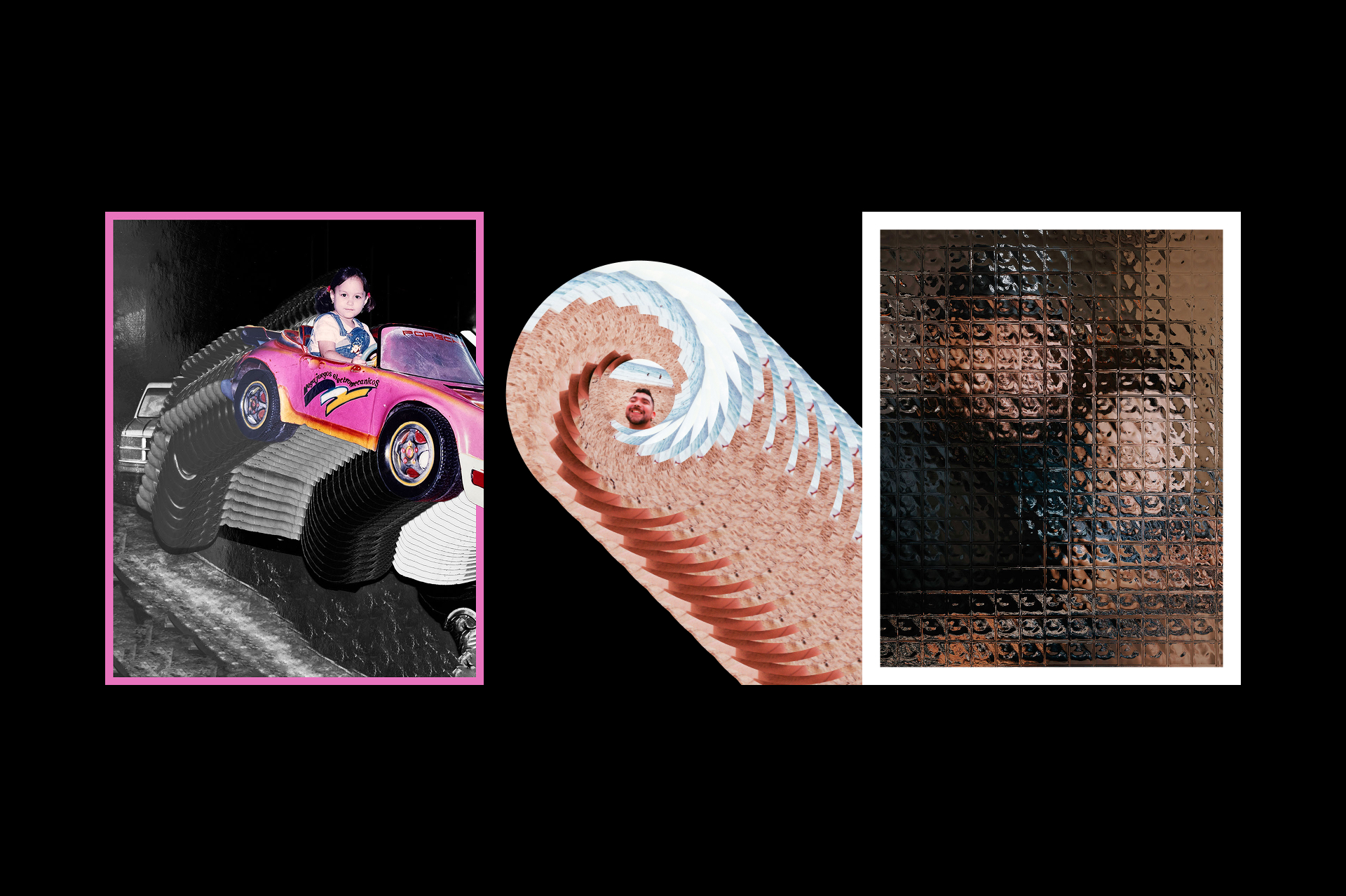
Today, we have a camera in our pocket 24/7: our phones. It's easy to say photography has become performative. We take pictures for social media. Yet at the same time, we're all trying to recreate that nostalgic feeling. We add grain, soften the colors, embrace imperfections, and imitate the rawness those family albums had without even trying. Even the most popular filters are trying to emulate it. Ironically, that's where photography gets interesting to me. The photo is just the raw material. I crop it, zoom into a detail, break the composition, experiment with color, and keep pushing it until it becomes something else. That's the part I enjoy the most, curating it. That's my playground.
We still photograph everything
It's International Photography Day, so shout out to the Editorial Team for giving me the perfect excuse to write about something I've been obsessed with for years. To me, photography has always been a creative act. What fascinates me most isn't just taking pictures, but everything that happens afterward: post-production, editing, curating. Basically, discovering what an image can become.
For instance, today, pictures are done to perform and to look good on a feed. But that's also how we communicate our taste, personality, and even our sense of belonging. The performative part is that constant effort to make everything feel aesthetic, niche, cool, and effortless, even though it probably took way more work than it looks like. Something clearly led by the alleged "nonchalant generation": Gen Z. We understand photography very differently from older generations. Pictures have become a social language, a way of saying who we are, what we consume, what references we understand, what world we belong to, or even the one we want to be part of.
I don't think every image is art, but I do think any image can become material for it
When I'm editing, there are fewer rules. There isn't a "perfect version" I'm trying to protect. There's only the question of what the image can become. Sometimes I already know how I want to treat a photo before I take it. Other times, I only understand it later, when I go back through the material. A lot of that process comes from collecting references. I'm constantly saving photo styles, editorial layouts, graphic ideas, or small visual accidents that don't seem connected at first. I think of it as a drawer. Every now and then, I go back to it and see what fits.
Sometimes the idea is clear. Sometimes it comes as a flash. I've even woken up in the middle of the night seeing an image build itself in my head, almost like a render or a timelapse. I'm not fully directing it. It just appears for a second, and if I catch it, I try to recreate it. That's probably why I don't think photography is only about having a big intention before taking a picture. Purpose and intention get mixed all the time. A photo might start as a memory, a joke, or something completely insignificant, and only later become meaningful because it makes you feel something.
That's why I don't think the artistic part of photography begins when you press the shutter. For me, it begins when I start reframing what's already there. Decomposing it. Recombining it. Finding another way to read the same image. A blurry photo, an accidental frame, a picture of a trash can, or a shoe on the street can all become something else. I don't think every image is art, but I do think any image can become material for it.
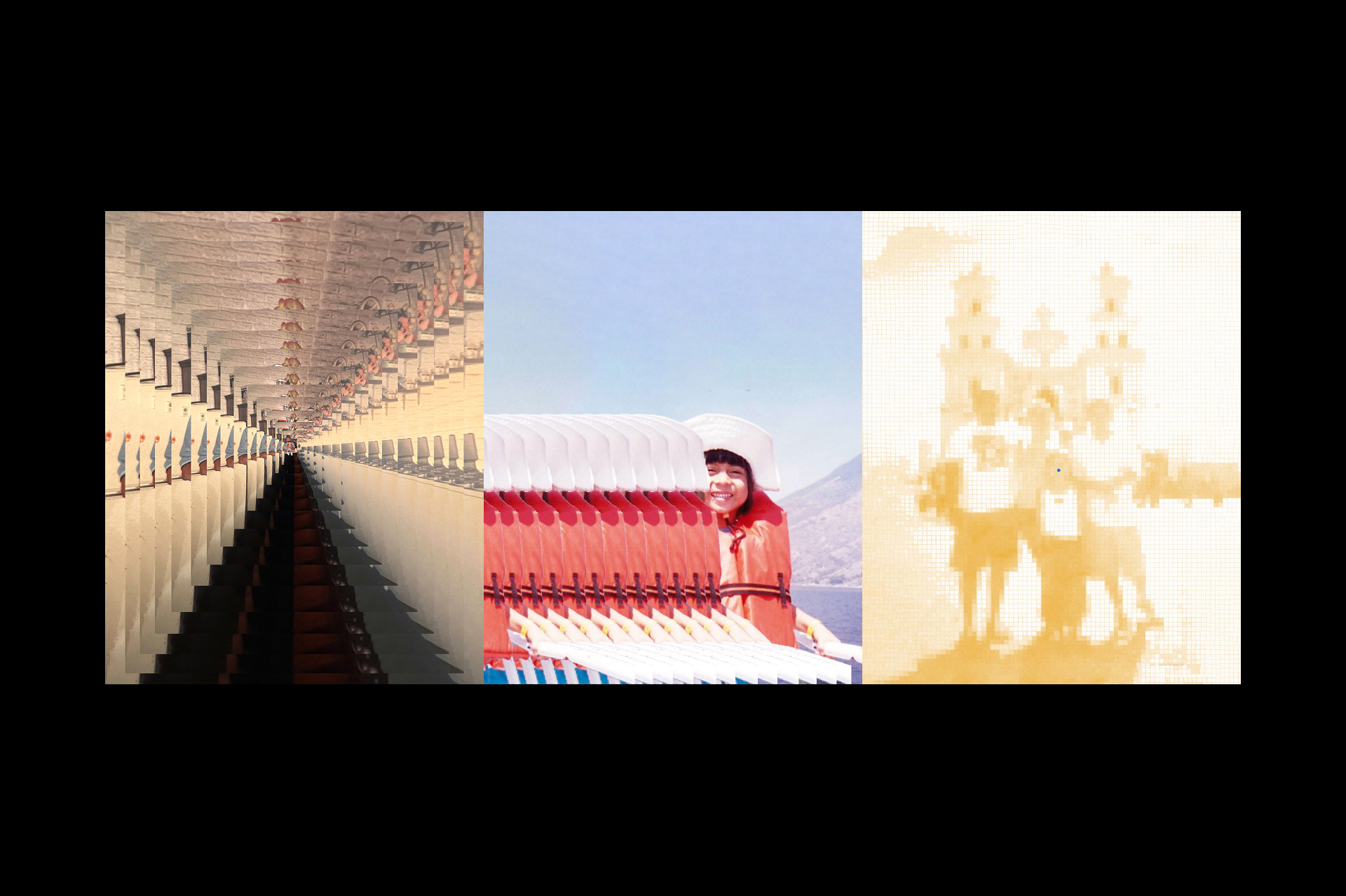
Every photo deserves a second look
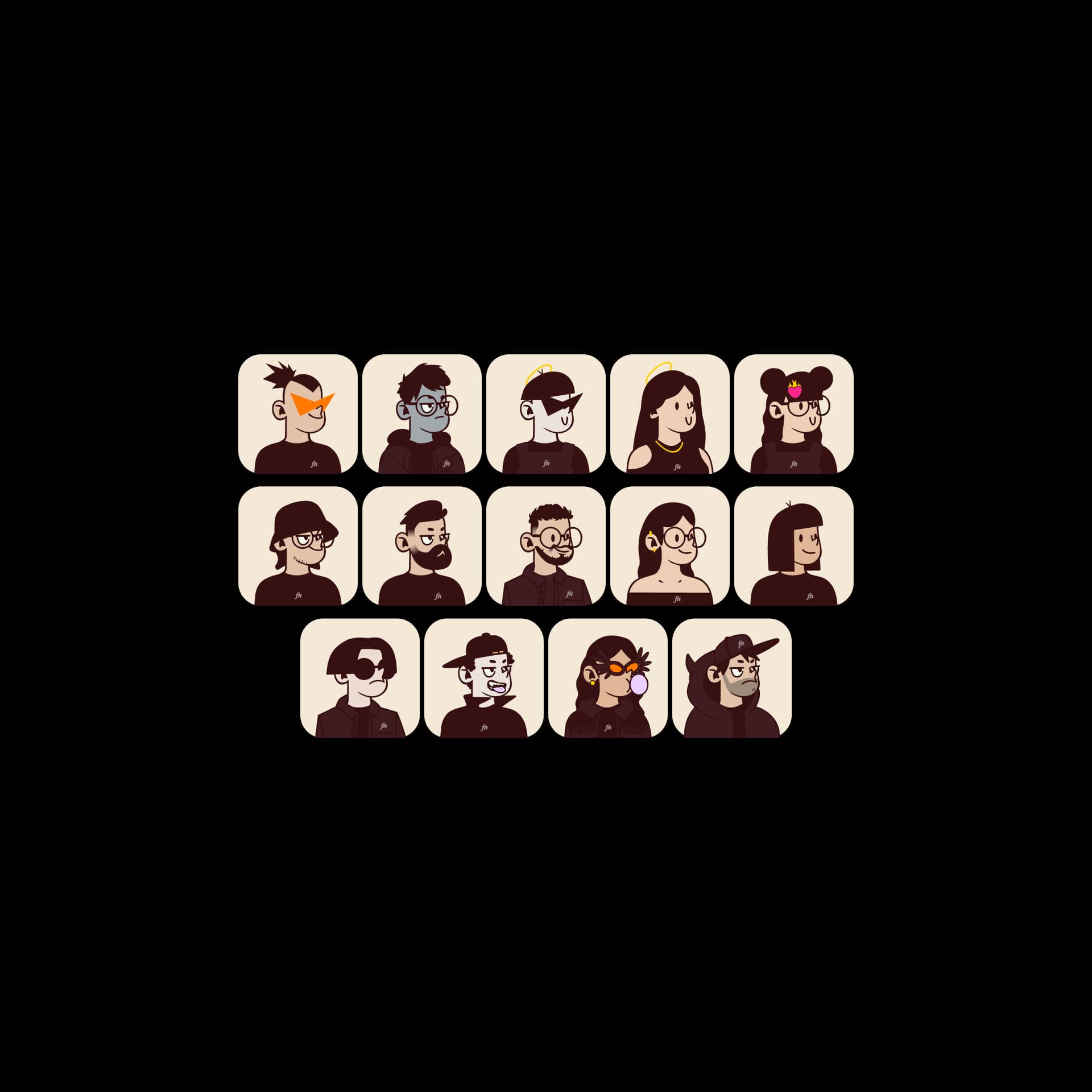

A few weeks ago at EL FIN, we ran a small experiment. I asked everyone on the team to send me an analog photograph they cared about, and I reimagined each one. What came back was a super creative collection filled with childhood memories, trips, landscapes, and friends. But with a twist.
At the studio, we believe the value of creative work comes from the process. From exploring, questioning, experimenting, and allowing ideas to evolve into something better than where they started. This experiment was no different. Every photo reflected a different story and a different way of seeing the world.
Maybe that's what I hope never changes. The curiosity to keep experimenting. To keep looking at the same image and wondering if there's still something left to discover.
.png)